Launching DJI agricultural drones Australia
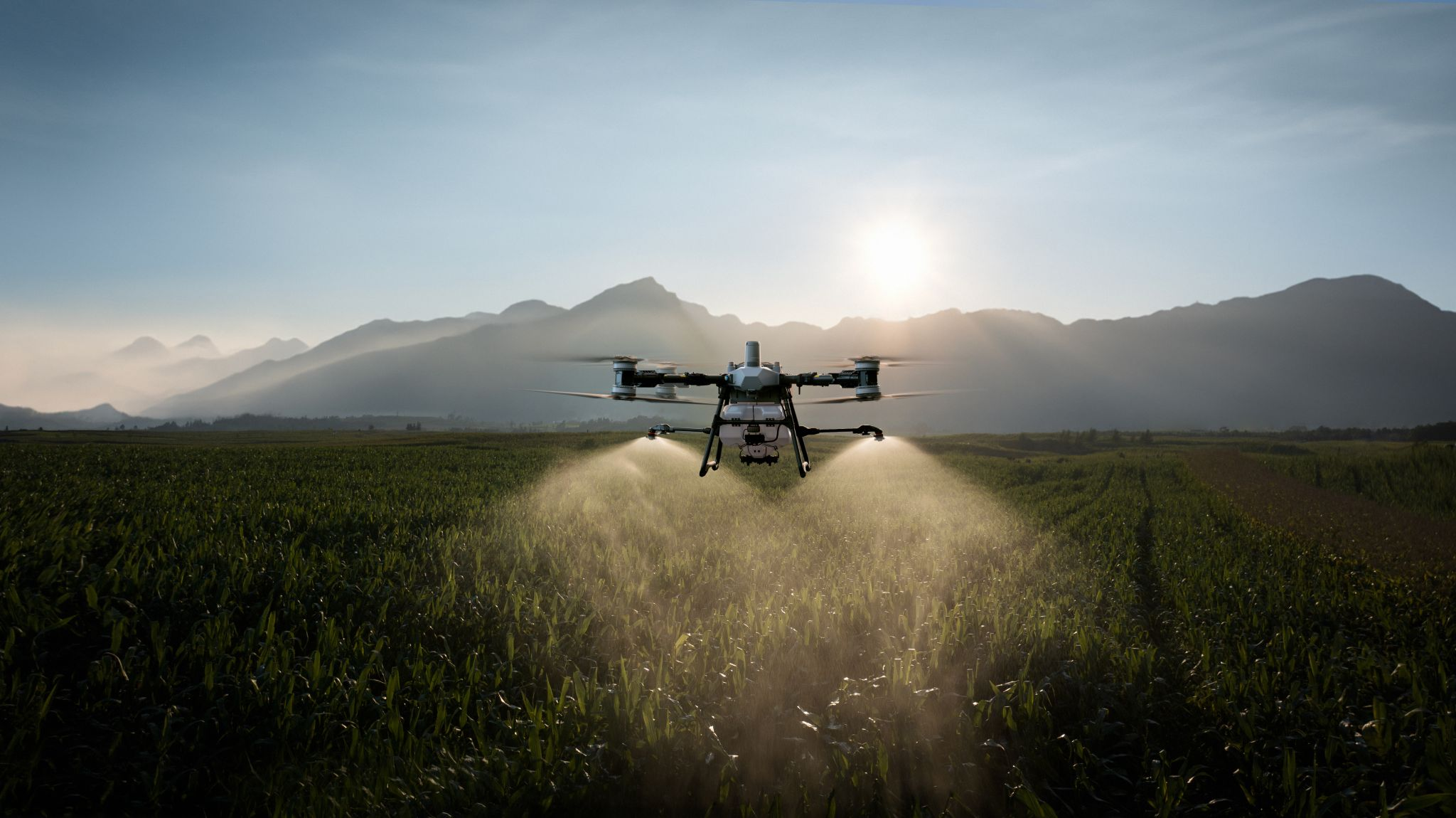
Each DJI Agras represents a notable shift in modern agrarian processes. Particular cutting-edge remote-controlled aircraft are produced to skillfully administer nutrients and other crucial materials to fields. Implementing focused innovations, the Agras lineup minimizes labor disbursement, amplifies production, and encourages ecological husbandry techniques. Growers can now reach superior control and coverage in their field operations tactics thanks to this noteworthy development.
Plantation Unmanned Systems: A Producer's Instruction to the DJI Agras Collection
This DJI Agras selection supplies a critical breakthrough in precision horticulture innovation, equipping agrarians a effective implement for improving crop yields and shrinking operational expenses. Those UAVs are deliberately built for utilizing nutrients, presenting a quicker and careful procedure than conventional ways. The Agras series encompass various styles, each intended for varied farm sizes and harvest types. Shown is a brief explanation:
- T editions: Recognized for their slim design and movability, ideal for compact fields and harsh terrain.
- Agras P Series: Strong machines fabricated for extensive areas, allowing amplified payload and coverage power.
- V lineup: Fashioned for tree crops management, with specialized features supporting mobilization in tangled environments.
In the end, incorporating a DJI Agras unmanned vehicle into your agro-business can finally create significant benefits in effectiveness and ecological care. Adequate education and compliance with territorial guidelines are mandatory for safe and successful function.
Raising Return: How DJI Agras-like Emission Unmanned Systems are Upgrading Farming
This crop field is facing a groundbreaking progression, enabled by innovative tools. Distributing robotic flyers, especially kinds like the DJI Agras, are reshaping how plant breeders manage their fields. These devices provide unprecedented precision in applying pesticides, constraining waste and amplifying yield growth. Through self-piloting, they service larger zones faster and with greater exactness, resulting in superior crop bounties and a more responsible way of up-to-date farming approaches.
Agras drones vs. Customary Emission: Output and Sustainable Advantages
Agronomists are steadily reviewing automated agricultural drones as an alternative to classical dispersion processes. The potency enhancements are significant; drones can reach plots considerably more rapidly than personnel-controlled equipment, shrinking manpower costs. Moreover, specific dispersion abilities restrain chemical excess, bringing about a scaled-down carbon footprint and encouraging more green farming techniques.
Increasing Aerial Impact: Actual Roles of the DJI DJI spraying platforms
The Da-Ji Agras portfolio is promptly accumulating momentum across several industries, indicating its aptitude for transforming agrarian practices. From exact emission of chemicals in wide terrain to efficiently observing cultivation condition, and boosting gain, the Agras platform grants a notable supremacy over traditional systems. Demonstrations highlight its adoption in staple crop tending across Asia, tree fields in Western hemisphere, and soy farming in South lands south of the equator, illustrating its elasticity and worldwide impact.
The Future About Farming: Understanding Various Capabilities Applicable to Agricultural Robotic Flyers
The farming field is ready for a important transformation, mainly as a result of the expanding use involving drone UAVs. Those state-of-the-art tools offer remarkable abilities, featuring precision land visualization inside farms, dedicated administration of fertilizers and pesticides, and all-encompassing monitoring of harvest condition. In addition, they allow curtailing of labor charges and increase of overall returns, eventually reshaping the landscape of modern farming practices.
High-tech Culturing: Maximizing Growth Medium Distribution with The Agras
Cutting-edge pinpoint plantation is changing how growers direct soil nutrient distribution. The DJI Agras range of aerial vehicles equips unparalleled sharpness and productivity in fertilizer administration. Applying cutting-edge sensor mechanisms, these remote-controlled drones enable agriculturalists to spread fertilizers precisely where called for, decreasing waste and heightening crop production. This mechanism not only strengthens agricultural gains but also promotes conservation-minded planting methods.
Examining a DJI Agras: Expenses, Rewards, and Profitability for Farmhands
Adopting a DJI Agras drone constitutes a substantial investment for a number of husbandmen, but the expected value can support the primary expenditure. The full expense includes the device acquisition charge, ongoing management fees, and guidance costs. However, these disbursals are often ameliorated by improved output, lessened personnel expenditure, reduced agrichemical use, and enhanced yields. Ultimately, the financial gains depends on factors like farm dimensions, farm product variety, deployment, and jurisdictional handling situations, with accurate preparation and data assessment critical for raising revenue and achieving a beneficial budgetary effect.
Outside of Spraying : Increasing the Deployment of the DJI devices in Innovative Farming
Although chiefly recognized for their crop broadcasting abilities, the DJI Agras exhibits a increased potential within modern agriculture fields. Growers are now examining how these multi-purpose tools can be leveraged for tasks in addition to simple agrochemical deployment. This contains precise seeding, spreading cover plants, and even preliminary crop health assessment via advanced sensor equipment, introducing progress in productive farming methods.